Norsk News 9/23/2026
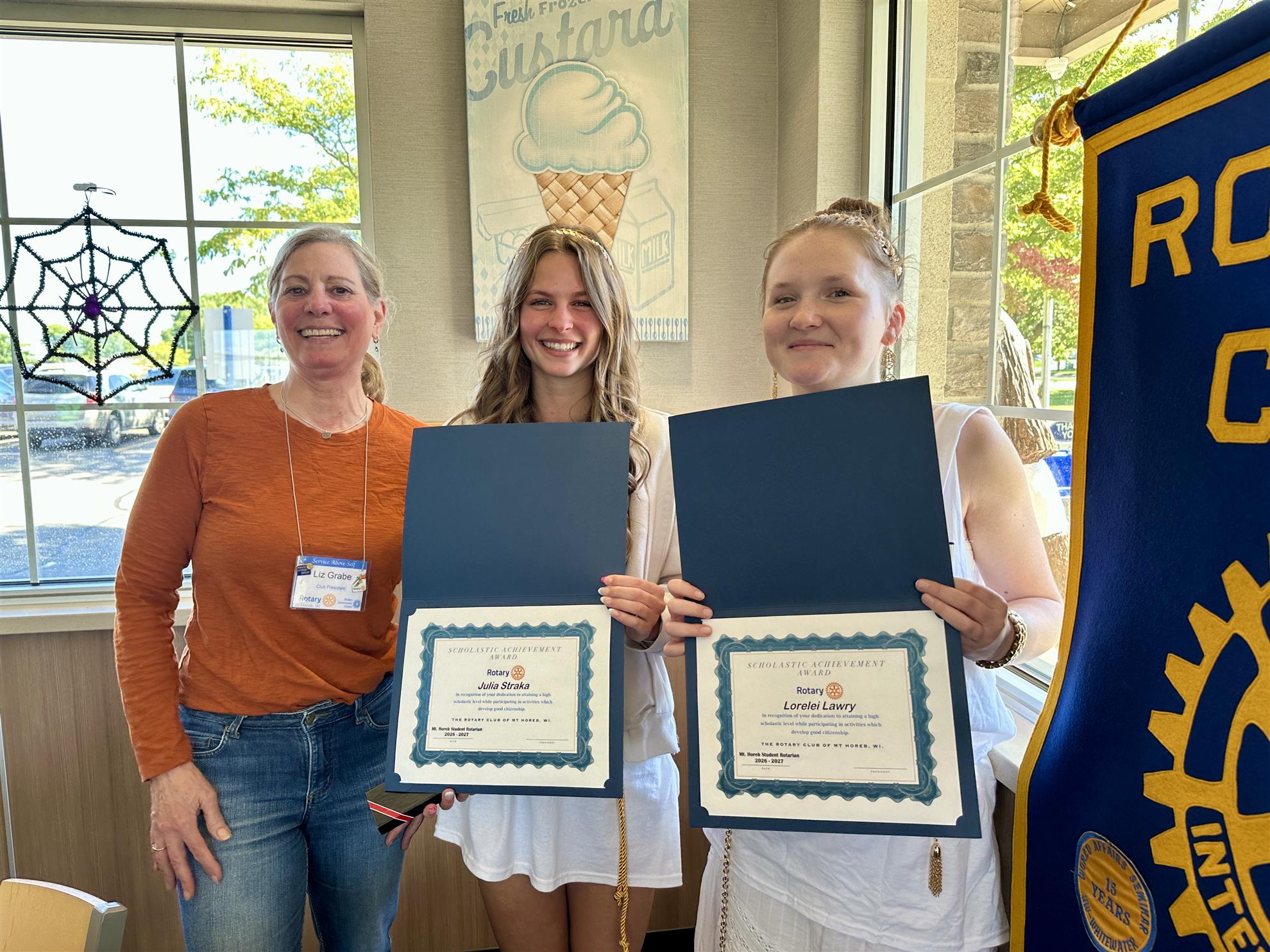
Attendance: Aubree Hanks, Bill Dunnington, Brent Yauchler, Dana Fager, Dave Reed, Dr. Steven Salinger, Elizabeth Grabe, Gary Tree, Jon LaVenture, Melissa Lease, Peggy Zalucha, Russ Christian, Sarah Straka, Franke Wallitch, Tammy Wedig, Julia Straka, Lauralie Lawry, Patrick Maguire, and Elaine.
Student Updates
Lorelei shared that the marching band is preparing for Friday’s homecoming game, which is expected to be the first opportunity for the marching band to perform on the field this season. The previous week’s weather prevented the band from going onto the field. The homecoming dance will take place Saturday, when she will help with decorating as part of the council.
Julia shared that she is serving as vice president of the senior class and that the class recently completed its homecoming float in one day. The theme is “Lucky to Be Done,” featuring Lucky Charms and rainbows. She also shared that the cross-country team’s home meet was cancelled because of the weather. In addition, the girls’ basketball team is currently selling water-softener salt as a fundraiser. Five bags are $75, with delivery available.
Member News and Happy Bucks
Happy Bucks were collected from Bill, Aubree, and Brent. Aubree gave a shoutout to Brent for joining her and Curtis for rock climbing at Boulders in Madison. She described his performance as impressive and invited others to join them for future climbing outings.
Gary was recognized for receiving another Paul Harris Award. Members were also reminded about the Polio Plus T-shirts available for purchase in support of Rotary’s polio efforts.
Member and Guest Updates
Patrick Maguire returned as a guest and shared an update about his business. His Edward Jones office recently moved from behind Culver’s to the corner near the Millers location. The Edward Jones offices have been combined under one roof, with four advisors now working from the new location. The move took place approximately three weeks ago, with some remaining technology and operational adjustments underway.
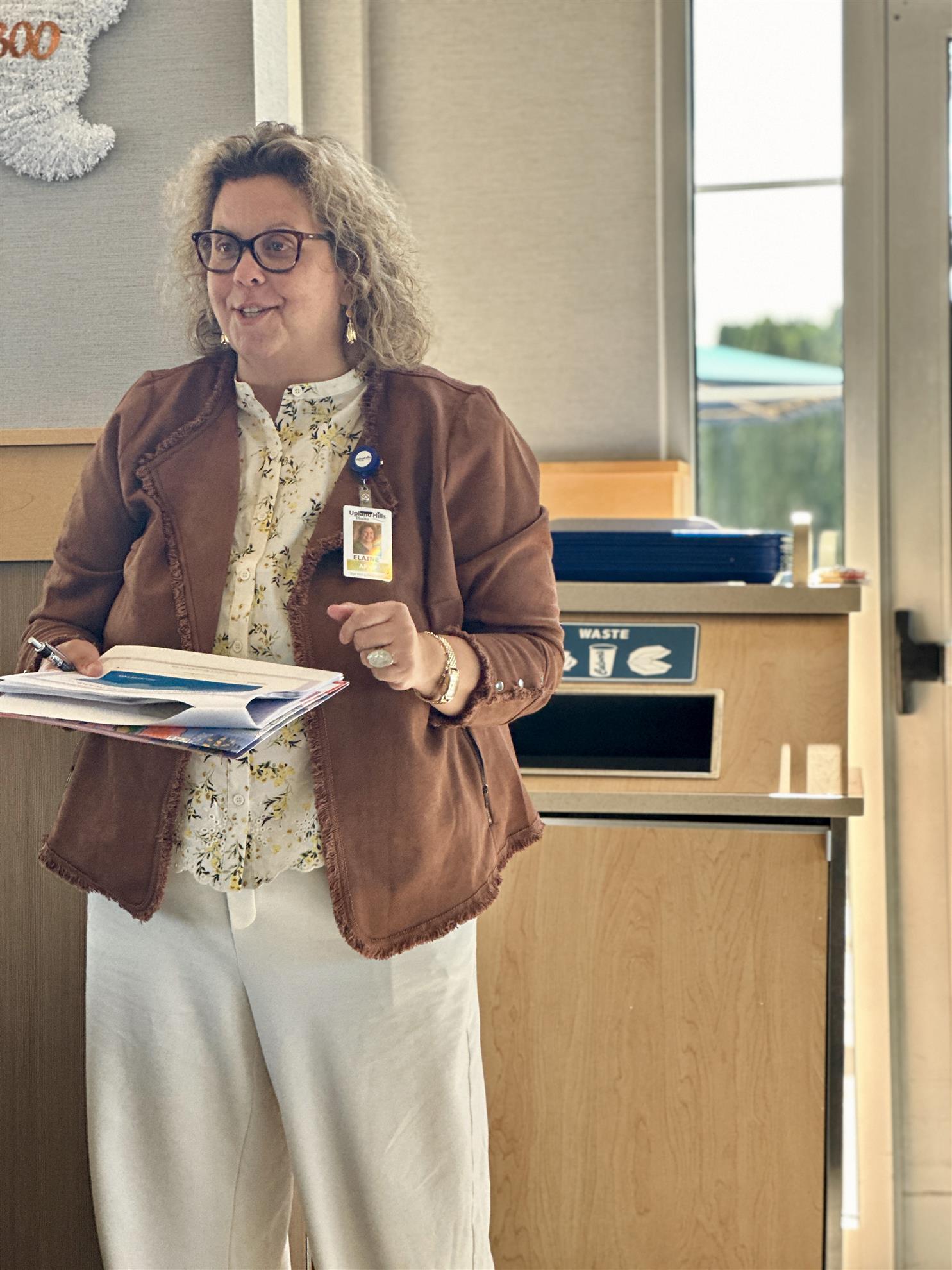
Elaine Makarowski, a nurse practitioner with Upland Hills Health, was introduced as the organization’s new palliative care nurse practitioner. She has nearly 20 years of experience as a nurse practitioner, including work at UW–Madison and SSM, with much of her career focused on chronic disease management, palliative care, and hospice care. She began her position with Upland Hills Health in June and is helping develop the organization’s new palliative care program.
Palliative Care Presentation
Elaine explained that palliative care is specialized medical care for people living with serious medical illness. Its focus is on relieving symptoms and reducing the stress associated with illness for both patients and caregivers, with the overall goal of improving quality of life. Palliative care is an additional layer of support that works alongside primary and specialty care rather than replacing a patient’s existing providers.
A major distinction emphasized during the presentation was that palliative care is not the same as hospice care. Palliative care can be introduced at any point during a serious or chronic illness and does not require a person to be near the end of life. Patients can continue treatments such as chemotherapy or radiation while receiving palliative care. Hospice, by contrast, focuses specifically on comfort and quality of life when a patient is approaching the end of life.
Elaine described the Upland Hills program as helping fill a gap in care, particularly in rural communities. She can meet patients wherever they are, including at home, in nursing homes, assisted living facilities, or in the clinic. Her primary focus is symptom management, including issues such as pain, shortness of breath, nausea, and vomiting, while collaborating closely with primary care and specialty providers.
An important component of palliative care is helping patients develop individualized plans for managing symptoms and deciding when additional medical care is needed. Elaine explained that patients can be given step-by-step plans so they know what to try when symptoms arise and when it is appropriate to seek emergency care. This can help patients feel more informed and in control of their healthcare while potentially reducing unnecessary emergency department visits and hospitalizations.
Elaine also discussed the importance of patient advocacy and having meaningful conversations about goals of care. Patients may have limited time with their primary care providers, making the extended conversations available through palliative care particularly valuable. She emphasized that her role is not to make decisions for patients but to provide honest, transparent information and support patients as they make their own decisions about their care.
Elaine shared information about the potential impact of well-developed palliative care programs on healthcare utilization and costs. She cited studies indicating reductions in avoidable spending and utilization across different settings, including a reported 48% decrease in readmission rates in inpatient settings and a 43% decrease in hospital and emergency room admissions among skilled nursing facility residents receiving palliative care services. She noted that CMS is publishing increasing amounts of information about the importance of expanding access to palliative care.
Palliative care can support people with a variety of serious illnesses, including cancer, dementia, congestive heart failure, kidney disease, HIV, autoimmune diseases, neurological conditions such as Parkinson’s disease, and other serious medical conditions. Elaine emphasized that palliative care can continue over an extended period and does not automatically lead to hospice.
Elaine shared a case study involving a 78-year-old woman, referred to as Roseanne, who was living with severe pulmonary hypertension, valvular heart disease, severe osteoporosis, and other health challenges. She lived alone and had recently experienced a hospitalization for respiratory distress before returning home on continuous oxygen. She struggled with shortness of breath, anxiety, fatigue, loss of appetite, and concerns about losing her independence. Maintaining independence and the ability to make her own decisions were identified as her primary goals.
Through palliative care, Roseanne’s goals were clarified and a plan was developed with her primary care provider, palliative care team, and family. The plan included physical therapy, a lighter-weight oxygen tank, breathing techniques, a flutter valve, and medications to help manage shortness of breath. The broader goal was to help her remain safely at home and better manage her symptoms rather than automatically turning to emergency services when she became short of breath.
Upcoming Rotary Events
The group was reminded about the upcoming Fifth Wednesday gathering on Wednesday, September 30, from approximately 5–8 p.m. at The Viking. The evening will include social time, drinks, appetizers, and an opportunity to have dinner. Members were encouraged to RSVP and to bring guests by emailing brent.theelectricianinc.com. Brent needs a headcount.
Members were also encouraged to participate in the October 24 event. Additional details and RSVP information were shared through email.